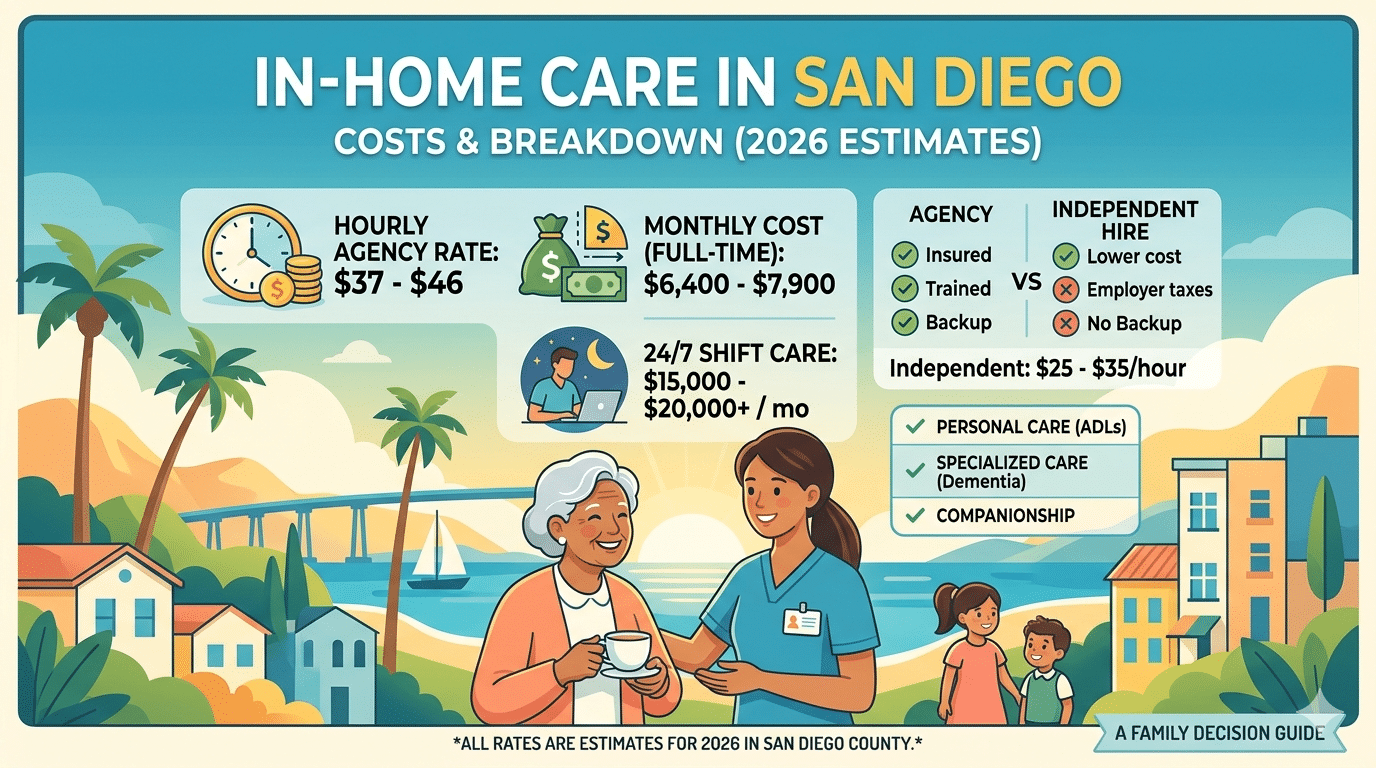

Taking care of our loved ones is a deeply loving and responsible act. But when the need for elder care or an elderly member of the family increases, many people are left wondering when to hire a caregiver. This decision is often fraught with stress and anxiety. It is not only a matter of the comfort of the loved one, but also of the family caregiver’s own well-being.
Ensuring timely home care or senior support can help your loved one live a safe and dignified life in a familiar environment. Understanding the right time to hire a caregiver can relieve you and your family of long-term caregiver stress. Our experience shows that when family members feel overwhelmed, professional caregivers can provide personalized and supportive home care services to help manage the situation. This timely decision ensures that both your loved one and you are well.
Hints of Support for a Loved One: Signs You Need a Caregiver
There are several signs that your loved one may be looking for a caregiver. These signs include physical, emotional, and safety concerns.
1. Physical decline
If mobility issues arise:
- Is your loved one struggling to walk alone, climb stairs, or get out of a chair?
- Are they having difficulty with personal hygiene (bathing, using the toilet, getting dressed) and managing daily tasks?
- Is medication dosage or treatment routine becoming difficult due to rapid weight loss or a chronic illness?
For more insights on personal care, see Benefits of Live-In Care
2. Cognitive Changes
If memory and attention problems occur:
- Frequent memory loss, especially forgetting recent events or words.
- Confusion or disorientation during daily tasks.
- Difficulty managing medications and daily tasks or managing financial transactions or important appointments.
3. Safety Concerns
If the risk increases:
- Has your loved one fallen once or more in the last 6 months or is there a risk of falls?
- Are dangerous incidents like forgetting to turn off the kitchen gas or stove happening frequently?
- If your mother has difficulty bathing or forgets to take her regular medications, this may be the right time to hire a caregiver.
Hints for Family Caregivers: Relief from Caregiver Stress
Many times, we only care about the needs of our loved ones, but as a family caregiver, our own mental and physical well-being is also important. When do you know you need family caregiver support?
1. Burnout & Emotional Strain
Caregiver stress can quickly affect a caregiver.
- Do you often feel stressed, irritable, or depressed?
- Are you neglecting your hobbies, friends, or work to care for your loved one?
- Have chronic emotional exhaustion and anxiety become a part of your daily life?
- A study by the Caregiver Alliance in the United States found that nearly 70% of family caregivers experience clinically significant stress.
2. Physical Health Impact
The stress of caregiving can also affect your body.
- Are you having major sleep problems or irregular eating habits?
- Are you experiencing symptoms such as long-term headaches, frequent colds, or a weakened immune system?
- If you want to understand how to know if you have caregiver burnout, consider your own physical ailments. Understanding caregiver burnout helps protect your health see 3 Signs of Caregiver Stress.
3. Relationship Strain & Lack of Capacity
- Is the stress of caregiving creating distance in your marriage or other family relationships?
- Do you feel like you are no longer physically or emotionally capable of meeting all of your loved one’s needs?
How to make decisions and move forward
The right time to hire a caregiver is not just a moment, it is a process taken through a few conscious steps.
1. Assess the Need
- Physical and cognitive status: In what areas of daily life does your loved one need the most help?
- Checklist Prepare: For example, bathing, dressing, eating, and medication management.
- Financial Preparation: In-home care, live-in caregiver, or Residential Care– Which is within your means and which is required?
2. Consider Your Own Well-Being
- Remember, if you are not well yourself, you cannot care for others. Don’t be ashamed to ask for help to reduce caregiver stress or to get caregiver support.
3. Evaluate Care Options
- In-home care: Providing personal care in a familiar home. This is the best option for most seniors.
- Assisted Living/Nursing Home: When more intensive or 24/7 care is needed.
4. Seek Professional Advice
- Talk to your local healthcare professional or home health specialist. They can help determine the right level of care for your loved one’s condition.
5. Research Potential Caregivers
- Find a professional caregiver agency or an independent caregiver.
- Make a list of questions: What are the best questions to ask a potential caregiver? – e.g., training, experience, emergency planning, etc.
- Our certified caregivers provide personalized in-home support tailored to your loved one’s needs, earning your complete trust.
Conclusion
The journey of caring for a loved one can be challenging. But by understanding when to hire a caregiver, you can make life easier and safer for your loved one and yourself. Remember, if you see signs of physical deterioration in your loved one, memory loss, or caregiver stress in yourself, it’s important to take action without delay.
Explore our specialized caregiver referral services such as Dementia Care San Diego, Companion Care San Diego, and Stroke Care San Diego, for detailed options.