
MOBILITY & FALL-PREVENTION IN SAN DIEGO

Mobility & Fall-Prevention Caregiver Matching in San Diego

When getting around home takes more care, changes in balance, strength or confidence can make ordinary daily activities harder. Families may want practical assistance that supports familiar routines and a loved one’s independence.

A caregiver walking outdoors beside an older man who is using a cane
START WITH WHAT YOU'RE SEEING

Everyday Mobility and Fall Concerns

Changes in balance, strength or confidence can make ordinary daily activities harder. Families may want practical assistance that supports familiar routines and a loved one’s independence.
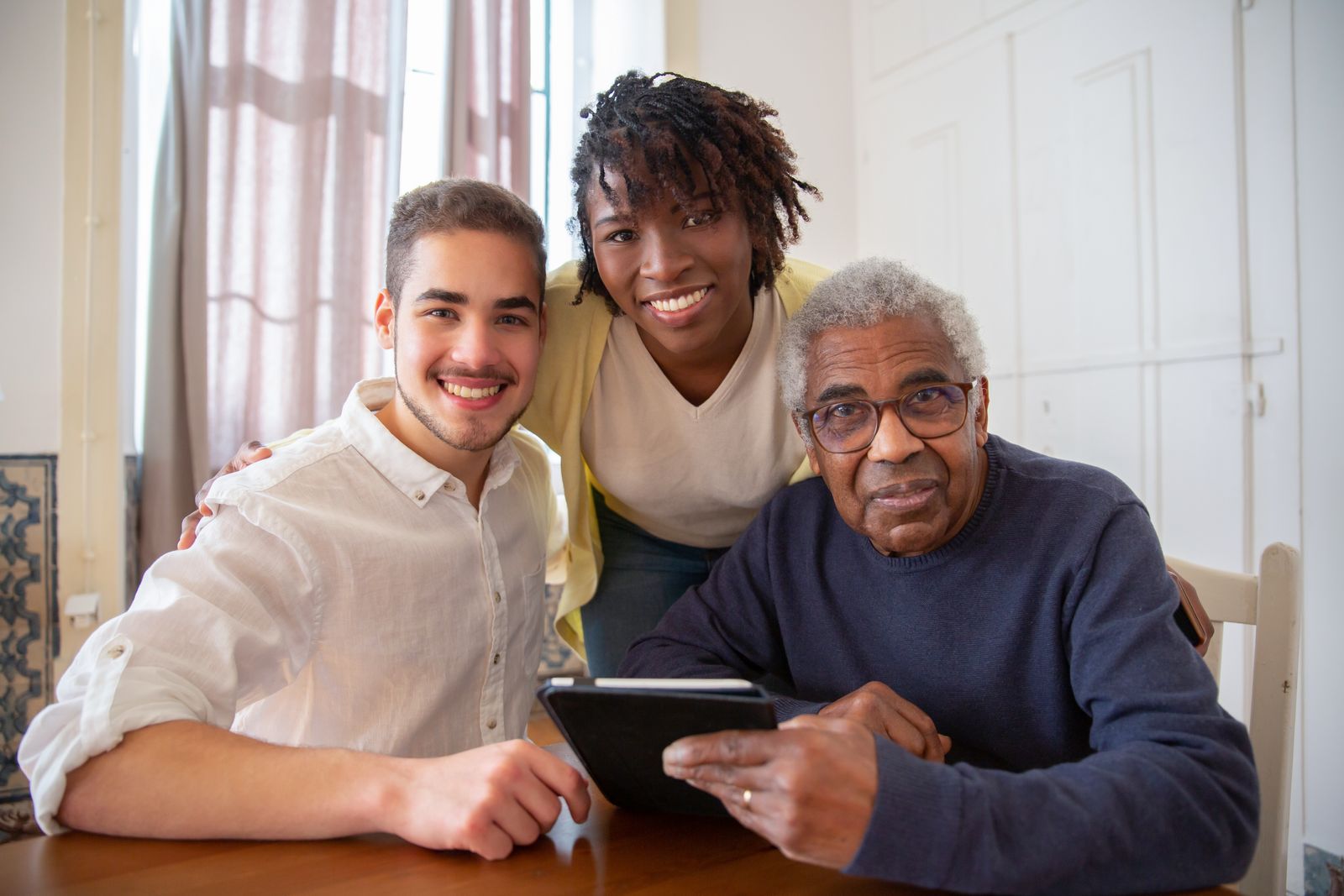
Senior man with family members reviewing care options together
Balance or confidence has made ordinary tasks harder.
Getting ready now takes more help.
Moving between rooms is part of the brief.
Stairs, transfers or the bathroom may be the hard part of the day.
The family wants familiar routines kept as independent as possible.

Sound familiar? You're not alone.

WHAT SUPPORT CAN LOOK LIKE

Everyday Help at Home, Shaped Around Your Loved One.

Describe the daily tasks that are difficult, such as getting ready, moving between rooms, preparing meals or attending appointments. Share any mobility equipment and instructions from healthcare professionals.

Families searching for mobility-related daily assistance in San Diego often describe worries about stairs, transfers, getting to the bathroom and moving safely through familiar rooms. Before selecting a caregiver, write down what happens on a typical weekday, what changes on difficult days and which tasks require another person. Include the preferred hours, whether help is needed on weekends and any communication preferences. This gives Lindsay a practical brief for the private caregiver search, rather than relying on a broad diagnosis or a generic job title.

Caregivers provide non-medical support. For diagnosis, clinical treatment or medical prescriptions, talk with your loved one's healthcare team.
Getting ready
Help with the morning routine.
Moving between rooms
Assistance through the home.
Preparing meals
Kitchen tasks that are harder to do alone.
Appointments
Getting to visits that are already scheduled.
Mobility equipment
The devices the family wants the caregiver to know about.
Clear pathways
Keeping the usual routes through the house unobstructed.
Errands
Trips outside the home that still need doing.
Professional instructions
Guidance from a clinician about what can be delegated.
PROTECTING INDEPENDENCE

What In-Home Mobility Support Means.

A private caregiver may assist with agreed nonmedical activities within their training and experience. Fall-risk assessment, rehabilitation and medical decisions should be handled by qualified clinicians.

For mobility-related daily assistance, practical nonmedical support may include keeping pathways clear, assisting with routine activities within training and helping with errands. The exact responsibilities depend on the individual’s needs, the candidate’s experience and the family’s employment arrangement. A private caregiver is not a substitute for a nurse, therapist or clinician. If there are transfers, medical equipment, medications or other specialized tasks, clarify the required training and ask the treating professional what can safely be delegated.

Agreed activities

Nonmedical help within the caregiver’s training and experience.

Clinical decisions

Fall-risk assessment, rehabilitation and medical decisions stay with qualified clinicians.

Specialized tasks

Transfers, equipment or medications need the treating professional’s direction.

WHY FIT MATTERS HERE

With Mobility Support, Technique and Vigilance Matter Most.

The best fit depends on the actual tasks, home layout, physical demands and schedule. Be clear about transfers or other assistance that may require special qualifications.

When comparing private caregiver candidates in San Diego, ask about relevant experience with the specific mobility tasks, attention to boundaries and willingness to follow clinical guidance. Invite candidates to describe how they would handle a changed schedule, a difficult day or an unexpected concern. Confirm references and screening details with Lindsay, then discuss expectations directly with the person you may hire. The best match is not simply someone available quickly; it is someone whose experience, temperament and practical availability fit the home.

Finding the right person matters.

WHAT FAMILIES OFTEN WEIGH
The actual tasks
What help is needed, stated specifically.
The home layout
Stairs, rooms and the routes used every day.
Physical demands
What the work asks of the caregiver.
Transfers
Assistance that may require special qualifications.
Relevant experience
Background with these particular tasks.
Boundaries
Knowing when a task is outside the role.
Clinical guidance
Willingness to follow a professional’s instructions.
When to ask for help
The point at which the caregiver should call the family.
HOW FINDING HOMECARE HELPS

Matching for Daily Support

A personal search built around your loved one — with your family making the final decision.

01
Listen
Tell Lindsay what is happening and where care is needed.
02
Search
Share the schedule, routines and experience that matter most.
03
Screen
Finding HomeCare recruits and screens private caregiver candidates.
04
Introduce
Review suitable candidates and ask questions.
05
Family Chooses
Your family interviews, chooses and hires the caregiver directly.

Finding HomeCare is a caregiver referral service, not a home-care agency or caregiver employer. We don't supervise caregivers or provide medical or home-health services.

Lindsay Erin Polis, founder of Finding HomeCare
Lindsay
WORRIED ABOUT FALLS AT HOME?

Talk It Through With Lindsay.

Tell Lindsay where care is needed, the schedule you have in mind and the daily tasks that matter most. She can explain the private caregiver matching process and next steps.

“

After my mother fell in her kitchen, she became terrified to leave her bed. Lindsay matched us with an incredible caregiver who worked with her every day, walking alongside her and rebuilding her confidence. Mom is back to watering her garden safely!

FAMILY REVIEW • POWAY, CA
Palm trees along the Southern California coast
WHEN FAMILIES START LOOKING

Often, It's the Family Caregiver Who Needs Help First.

You do not have to know the exact care arrangement before reaching out. Start by describing what has changed at home and where another dependable person could help.

A useful first conversation starts with specifics: Where in San Diego County is care needed? What time of day is hardest? Which routines are most important to preserve? Is the need temporary, recurring or changing? Families can use the caregiver hiring questions and planning resources to prepare, then speak with Lindsay about candidate matching and direct-hire responsibilities.

Helping families across California

Finding HomeCare is based in San Diego and helps families throughout California. See the communities we serve.

QUESTIONS FAMILIES ASK

FAQs

Describe the daily tasks that are difficult, such as getting ready, moving between rooms, preparing meals or attending appointments. Share any mobility equipment and instructions from healthcare professionals.

La Jolla coastline in San Diego
START WITH WHAT'S HAPPENING

Tell Lindsay What's Going On.

Tell Lindsay what your family is facing. She can help you understand the matching process and whether a private caregiver search makes sense for your situation.