The path to caregiving is often a rocky one. Deciding to move your loved one into a nursing home is not just a logistical decision, it is also a deeply emotional journey. At Finding Home Care, we understand your struggle. Nearly 6.9 million people in the United States (as of 2024) aged 65 and older are living with Alzheimer’s dementia. Families often feel overwhelmed when caring for this large number of people.
This guide will guide you through the realities of dementia nursing home care in the USA. We’ll show you when it’s time to move, what the legal and financial aspects are, and how to prepare for the nursing home admission process for dementia. Our goal is to provide you with the knowledge you need to make this difficult dementia transition or memory care placement process as smooth as possible and build your confidence.
When is a nursing home needed?
It is usually needed when the patient’s needs increase and it becomes physically and emotionally impossible for the home caregiver to handle them. It is a reassuring fact that, according to statistics, you are not alone. 70% Dementia caregivers find coordinating care very stressful.
Top 3 signs your loved one with dementia needs nursing home care:
1. Caregiver Burnout:
When the caregiver’s health, mental state or own life is seriously affected. Studies have shown that more than 60% Caregivers experience symptoms of burnout, such as extreme stress, depression, and neglect of their own health. If you’re not sleeping, have increased anxiety, and lose the ability to perform daily tasks, understand that change is needed.
2. Widespread security risks (Wandering, Aggression, Hygiene):
The risk increases as dementia progresses.
- Wandering: If the patient often goes out alone and puts themselves in danger.
- Aggression: If the patient frequently behaves violently or aggressively, that could hurt you or themselves.
- Hygiene Issues: If the patient persistently refuses to go to the bathroom or fails to maintain personal hygiene, this creates health problems at home.
3. Physician Recommendation and deterioration of physical condition
When the patient’s condition reaches such a level that they require regular skilled nursing care or treatment that cannot be provided at home. These include difficulty swallowing, frequent infections, or complete dependence on others for activities of daily living (ADLs).
If these signs appear, for your loved ones moving a dementia patient smoothly, a specialized memory care placement or nursing home is needed.
Legal and Medical Requirements
Laying the legal groundwork before admission to a nursing home is crucial.
Legally responsible for a person with dementia
If the dementia patient does not already have a Power of Attorney (POA) or other legal document, the family may need to quickly apply for Guardianship. The person who receives the POA or Guardianship assumes legal responsibility for making medical and financial decisions for the patient dementia care USA. Without it, it may be impossible to admit the patient to a nursing home and sign a financial agreement.
Can a doctor force a dementia patient into a nursing home?
No, a doctor cannot directly commit a patient to a nursing home. However, if the physician feels that the patient poses a danger to himself or others and requires a higher level of care (Nursing Home Level of Care – NH LoC), he may recommend that level of care. This recommendation helps the legal process, especially when Medicaid requires payment.
What qualifies you to be put in a nursing home?
Eligibility mainly depends on two factors:
Medical Necessity: The patient must be eligible for “Nursing Home Level of Care” (NH LoC). That is, they require extensive assistance in performing activities of daily living (ADLs) or they require treatment that can only be provided by a nursing facility.
Preadmission Screening and Resident Review (PASRR): According to federal law, patients with dementia or people with severe mental illness must be admitted to a nursing home PASRR requires that they go through screening. This ensures that the nursing home is suitable to meet the patient’s needs and whether they could receive care in a less restrictive environment (such as home care). These nursing home requirements for dementia patients are Important for legal protection.
Financial Planning and Costs
The cost of nursing homes for dementia patients is one of America’s biggest concerns. This cost needs to be known transparently.
Nursing home costs for dementia patients?
Specialized memory care units for dementia patients are more common than general nursing homes or assisted living 20% to 30% more expensive.
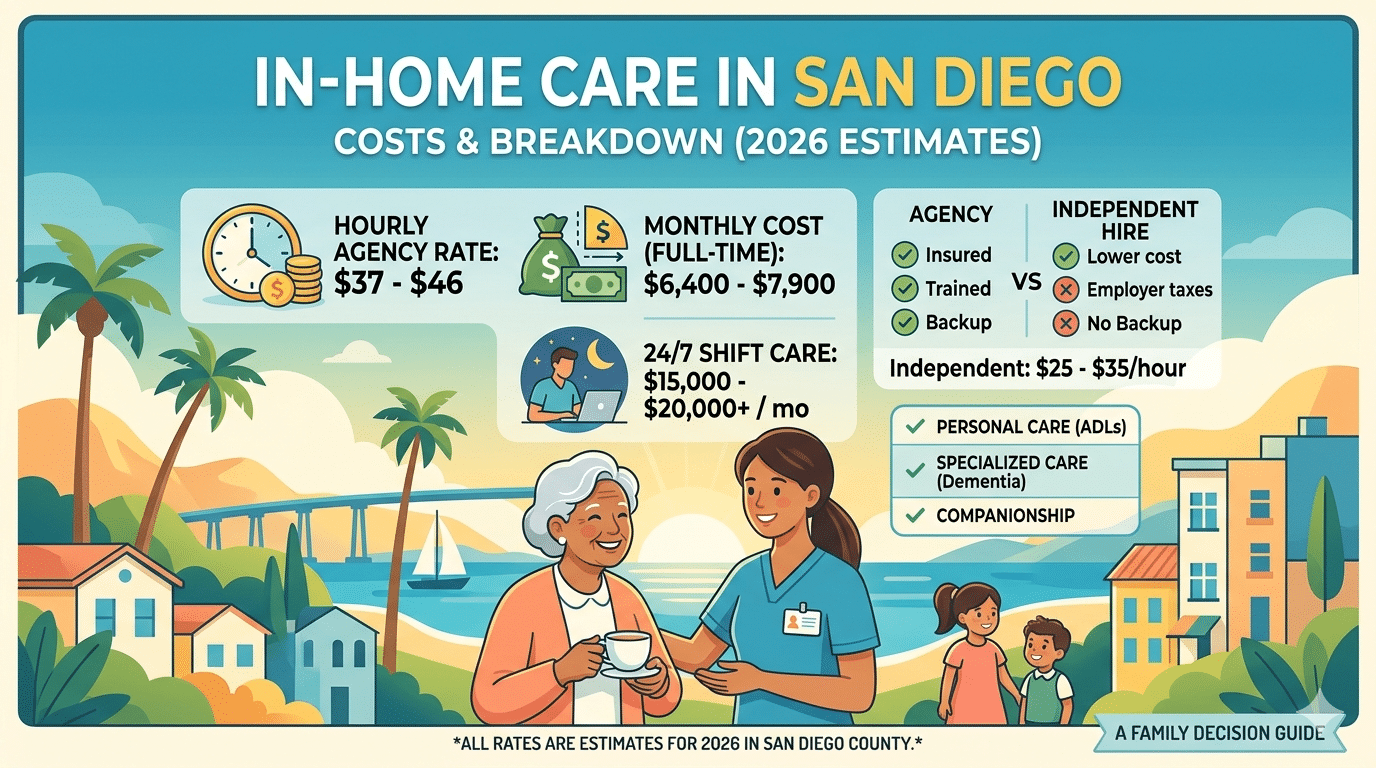
- According to 2024 data, the national median annual cost of a semi-private room in a skilled nursing facility (nursing home) in the USA is approximately. $111,325 or about every month $9,277.
- The national median monthly cost of a dedicated memory care unit is approximately $6,160(Some reports show as high as $7,899).
- The average cost of memory care in California is approx $6.500 or more.
Does Medicare cover nursing homes for dementia?
Usually, no. This is one of the biggest misconceptions. Medicare dementia coverage does not cover long-term “custodial care” (ie, housing, meals, and assistance with daily activities).
- Medicare: Only the first to be admitted to a Skilled Nursing Facility (SNF). 100 days may provide partial coverage, but requires the patient to be hospitalized for at least three days and require rehabilitation or skilled nursing care. Medicare does not cover long-term care costs for dementia patients.
Do dementia sufferers have to pay care home fees?
Yes, if they are on Medicaid or do not qualify for long-term care insurance, but they or their families must pay out of pocket. This is why dementia nursing home costs are very important for the plan.
Medicaid Dementia Care Homes:
Medicaid is the main government payer of long-term care. It is a joint federal and state program for those with limited income and resources (usually $2,000 (such as low asset limits) afford nursing home costs for individuals. Nursing homes for dementia patients that accept Medicare/Medicaid. It’s important to find out. Remember, even though many nursing homes take Medicaid, their “Medicaid Beds” are limited.
Direct to you for financial information, Medicare.gov and Alzheimer’s Association. You can check on its website.
How to Choose the Right Nursing Home
Finding the right memory care facilities for dementia patients will determine your loved one’s quality of life. This selection process should be a step-by-step process.
Step-by-Step Guide to Choosing:
- Assess Needs: First, determine what type of care your loved one needs a specialized memory care unit or a general nursing home. Consider their mental health, travel habits, and medical needs.
- Financial Check: Determine your budget by considering your financial situation, insurance coverage, and Medicaid/Medicare payment options.
- Location and Reputation: Search for nursing homes for dementia patients near me near you so that family members can easily visit. Use your state’s health department website to check each facility’s licensing and complaint record.
- Tour Facilities & Staff Training: Visit at least 3 to 5 facilities. Ask if the staff has special training in dementia care (e.g. Validation, Teepa Snow’s Positive Approach to Care). Ask: * What is the staff-to-resident ratio? * How long have the staff been working there? * Are there dementia-friendly activities for people with dementia (e.g. music therapy, art therapy)?
- Safety/Security & Environment: Memory care units should have special security measures (e.g. coded exits, enclosed courtyards). Small group homes can often provide a more private, quiet environment than larger facilities. The environment should be calm, familiar, and home-like.
- Check for Dementia Specialist: Make sure a doctor or geriatric psychiatrist visits patients regularly.
Preparing for the Move
It is very important to prepare mentally and logistically before moving. Discussing this with a dementia patient should be very sensitive. This change can be very scary for them.
Be Gentle: The words nursing home or care home can sometimes feel negative. Instead of saying this directly to people with mid- or late-stage dementia, tell them they are moving to a new resort, health center, or new home with special helping friends (staff).
Familiar Items: Help them adjust by making the new place feel familiar. Decorate the room with their favorite blanket, family photos, a favorite chair, or familiar furniture. Preparing their space this way is one of the most important tips for easing the transition.
Logistical Preparation: Keep all admission documents such as medical records, insurance cards, power of attorney, and advance directives organized in one place.
Essential Documents: Make sure key documents are ready, including the Advance Directive, Durable Power of Attorney (DPOA), and Will. Having these prepared will make the transition smoother.
Easing the Transition & Handling Refusal
A dementia patient refusing to move to a new environment is a common occurrence. This requires problem-solving strategies.
If the patient is legally competent and understands the reason for the move, they can refuse. But in most cases, patients with mid- or late-stage dementia are no longer legally competent. In these situations, a Power of Attorney (POA) or guardian must make decisions in the patient’s best interests, following the advice of a doctor.
For aggressive or severely resistant patients, use the following strategies:
- Calm Communication: Speak in a calm tone. Look the patient in the eye with empathy. Do not argue or try to reason, as this will increase tension.
- Misdirection/Therapeutic Fibbing: If the patient does not want to go to the nursing home, you can tell them that they are going “to the doctor’s,” “to have lunch at a nice place,” or “to see your newly decorated house.” Although it is difficult, it is considered a humane strategy to maintain the patient’s peace of mind in dementia care.
- Involvement of a doctor/counselor: If the rejection is very intense, seek help from a dementia specialist or psychiatrist. They can help ease the transition process by temporarily reducing anxiety, if necessary.
- Creating an environment: The nursing home staff should arrange the room with familiar objects on the day of admission. If the room environment is familiar, the level of rejection may be reduced.
Supporting Emotional Adjustment
The emotional adjustment of the patient and the family is essential after the transfer. There is no single drug called a “happy pill” for dementia patients. However, doctors may prescribe anti-depressants or anti-anxiety drugs to control the patient’s anxiety, depression, or agitation.
Skilled nursing home staff usually help with dementia adjustment nursing home through therapeutic methods, such as music therapy or pet therapy, rather than medication.
Tips for mental adjustment (Support after moving dementia patient):
- Reassurance & Consistency: Make frequent but short visits in the first few weeks. Reassure the patient that you have not abandoned them.
- Family Involvement: The regular presence of the family in the new environment provides security to the patient. Participate in their daily activities.
- Making new friendships: Talk to the nursing home’s activity director. Include your loved one in social activities.
- Therapy/Program: Make sure the patient regularly participates in music therapy, art therapy, and physical activity. This will help them adapt to the new environment and maintain their mental stability of mind.
Conclusion
Deciding to transfer a dementia patient to a nursing home is never easy. It is not a failure, but a loving and courageous step to ensure your loved one receives safer, professional, and more specialized care. You are not alone in this journey.
This dementia nursing home support guide is designed to provide the essential information you need at every stage. With proper preparation, transparent financial planning, and a compassionate approach, the transition to a nursing home can be a positive and successful experience for both you and your loved one.
At Finding Home Care, we are here to stand by you. Our team offers trusted referral services to connect you with the right nursing homes and dementia care facilities that match your family’s needs.
Take the first step today, contact Finding Home Care for personalized dementia care referrals and guidance. Let us help you make this transition smoother for your loved one’s future.