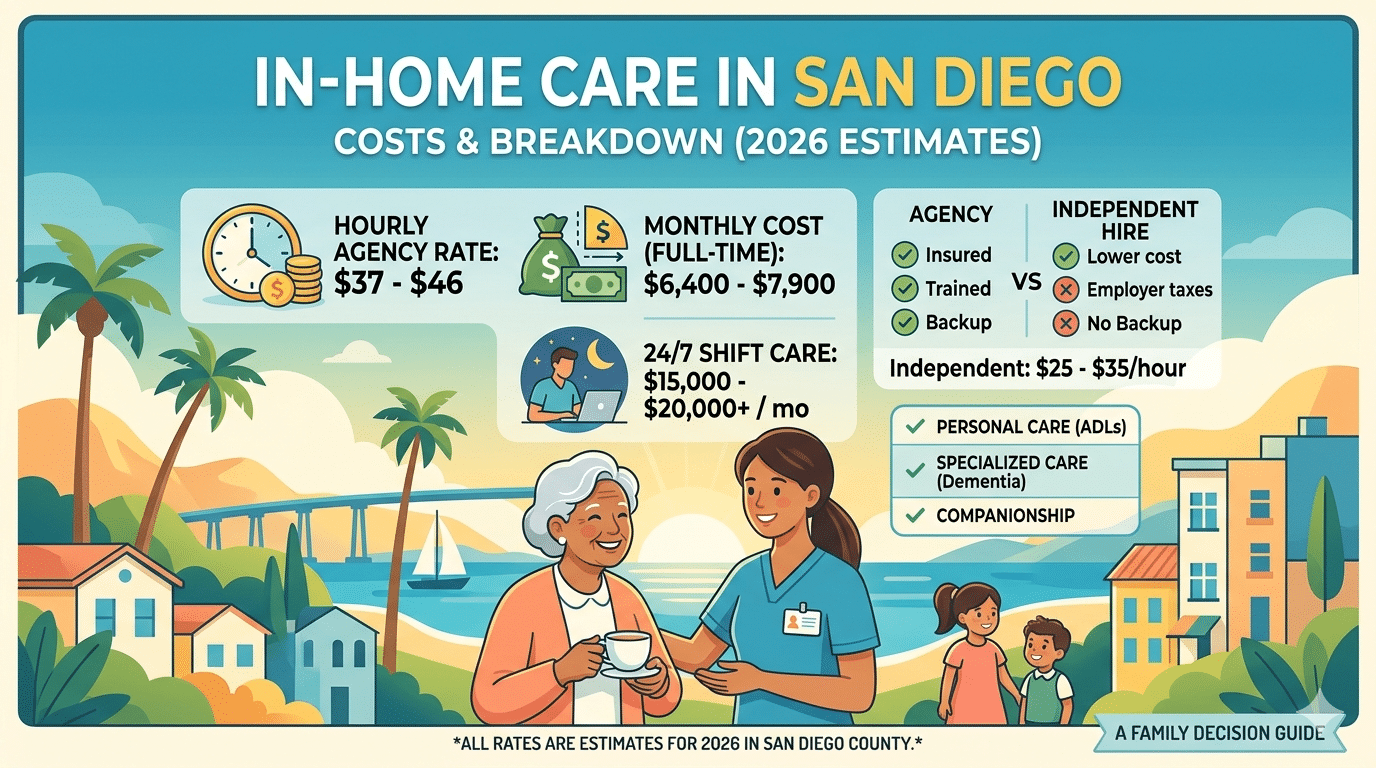
Long-term care refers to a variety of supportive services that help fulfill the personal care needs of individuals over an extended period. It usually involves assisting with daily activities termed Activities of Daily Living (ADLs) and Instrumental Activities of Daily Living (IADLs), and sometimes requires professional or skilled nursing care. According to the U.S. Department of Health & Human Services and the Administration on Aging, around 7 out of 10 people aged 65 or older will need some level of long-term care in their lifetime.
Moreover, 1 in 5 will require this care for at least five years. This growing demand has expanded career opportunities in caregiving, but many caregivers prefer facility care over working independently or joining a home care agency, as this option offers better support, wages, and structured work environments. This article examines the advantages and disadvantages of each option to assist caregivers in making informed decisions.
Understanding the Choice: Facility Care or Private Care?
Most seniors do not live in communities where care services are readily accessible. When elderly individuals need medical or non-medical assistance with ADLs or IADLs, families often decide how they will receive support.
Some families choose Private Caregivers to maintain the comfort of home and share caregiving responsibilities. Private care may seem more economical, but the actual costs—including wages, benefits, and the mental and physical stress on caregivers—are often underestimated.
Alternatively, families may opt for caregiving facilities or home care agencies that provide appropriate medical care and assistance at relatively affordable costs. This decision hinges on multiple factors including financial capacity, care needs, and personal preferences.
For more on understanding types of in-home care, you can refer to our guide on Types of In-Home Care.
Independent Caregivers (Private Care)
Independent or private caregivers are hired directly by the elderly individual or their family. Besides helping with daily activities, some independent caregivers hold certifications to provide medical services such as injections or wound care—though these are less common.
Why Some Caregivers Prefer Independent Work
- Earn approximately $15 per hour, keeping payments directly without agency fees.
- Set higher rates for specialized services.
- Have more control over schedules and clients.
Challenges of Independent Caregiving
- Families assume employer responsibilities such as background checks, licensing, payroll, insurance, and tax management, which can be complicated.
- Lack of proper management can cause legal, financial, and job stability issues for caregivers.
- Communication and expectation gaps between caregivers and families often lead to dissatisfaction and disputes.
Because of these challenges, many caregivers prefer working through agencies that provide more structure. Learn how to find reliable help in Tips for Finding the Right Caregiver.
Home Care Agency or Facility-Based Caregivers
Caregivers who work for licensed home care agencies or facilities benefit from legal employment status, regular payroll, and allocated clients in need of medical or non-medical care. These caregivers may include Certified Nursing Assistants (CNAs), credentialed nurses, or non-medical aides assisting with standard ADLs and IADLs.
Advantages of Working in a Facility or Agency
- Wages tend to be 20–30% higher than independent caregivers, averaging about $20 per hour.
- Agencies handle employment responsibilities, benefits, taxes, and insurance.
- Professional development opportunities like certifications and training improve skills.
- More consistent work hours and client assignments.
Agencies also help families weigh caregiving options, such as live-in care arrangements. For more information on comprehensive care solutions, see Benefits of Live-In Care.
Making the Right Career Choice
No caregiving career path is inherently better than another. Success depends on your skills, financial needs, and personal preferences. To thrive in caregiving:
- Pursue professional certifications and ongoing training to enhance your qualifications.
- Choose an employment model that aligns with your lifestyle and career goals.
- Consider construction of personalized care plans to improve service quality. For insights, visit Care Plan for Parkinson’s Disease.
Ultimately, whether you choose to work independently or under an agency, continual skill development and reliable caregiving experience are essential.